By Carol A. Kemper, MD, FIDSA
Source: Moore JR, Breeyear T, Gowler CD, et al. Notes from the Field: Hepatitis B virus transmission associated with assisted blood glucose monitoring in a skilled nursing facility — North Carolina, 2024. MMWR Morb Mortal Wkly Rep. 2025;74(29):463-464.
In May 2024, the North Carolina health authorities received a report of acute hepatitis B virus (HBV) infection in a 69-year-old with diabetes, who was a relatively new resident of a local skilled nursing facility for 10 months. This report prompted an investigation for potential exposures and assessment of infection prevention practices in the facility. The Centers for Disease Control and Prevention (CDC) recommends assigning one glucometer to one individual and not sharing when possible. If a device must be shared, there are specific manufacturer recommendations for cleaning and disinfection with every use.
Investigation of the facility found no observed gaps in infection prevention practices, although glucometers were shared between residents and disinfected between uses. No resident of the facility was known to have HBV infection. The next step was to screen all residents of the facility for HBV infection, including HBV deoxyribonucleic acid (DNA). This revealed one individual with previously diagnosed but unreported chronic HBV infection who also had diabetes and roomed a few doors away from the index case. Whole genome sequencing confirmed the two strains for both residents were identical.
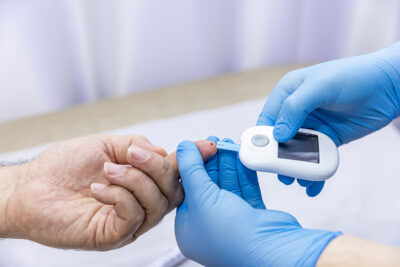
Both individuals were routinely monitored using two devices held on a cart between the rooms. Accessing the stored logbook data on the glucometers revealed they were regularly used between the two individuals in less than one minute, insufficient time to allow adequate disinfection.
Routine HBV vaccination is recommended for individuals younger than 60 years of age, although vaccination of anyone at risk is always appropriate. The authors reasoned that diabetes should be considered a risk factor for bloodborne pathogen transmission, especially if an individual requires long-term care and routine assisted glucose monitoring.
Carol A. Kemper, MD, FIDSA, is Medical Director, Infection Prevention, El Camino Hospital, Palo Alto Medical Foundation.